Many modern web design projects are defined strongly by translucent effects, which have made digital interfaces look more refined, layered, and visually engaging. Known for their distinct “frosted glass” look, the translucent effect works well with semi-transparent surfaces and combines them with additional background blur to create a sense of depth, while ensuring that the underlying content remains visible. Apart from purely the aesthetic element, translucency also enhances the visual hierarchy and sharpens user focus. Translucent Effect has rapidly evolved into a major strategic tool in the sphere of web design, from just being a simple stylistic choice, as it helps in defining clarity and trust while offering the most premium digital experiences.
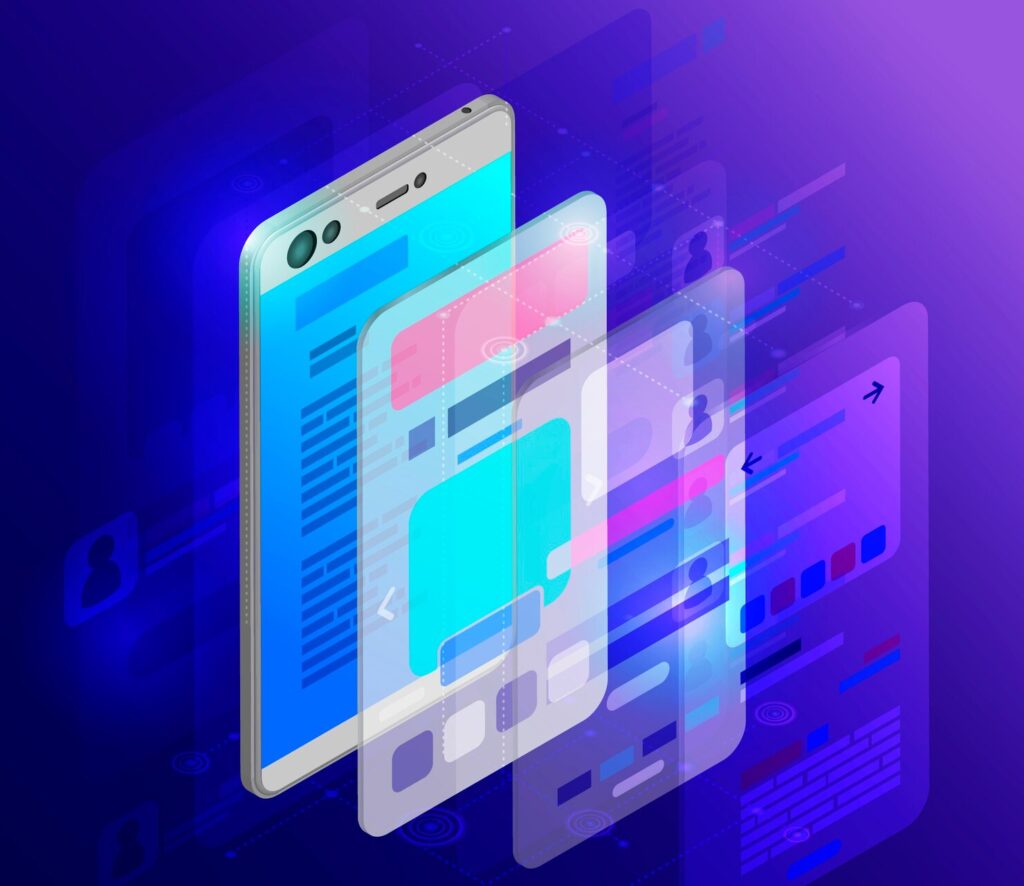
The popularity of this design technique was triggered by changing design philosophy and technological progress. Earlier, designs were mostly flat, which lacked context and depth, even though they enhanced simplicity. Later, platforms like Microsoft’s Fluent Design and Apple’s iOS injected depth using blur-based layering, and this was further made accessible for the web through extensive browser support for the innovative CSS backdrop-filter. As design options expanded, designers started to experiment more with translucency not just as a decorative motif, but also to make pages more functional.
Translucent overlays can significantly enhance usability by effectively preserving the context. Translucent layers, unlike opaque layers that essentially block the interface, allow the users to stay aware of what is there under the surface, thus reducing confusion and additional cognitive effort while handling tasks. This guarantees smoother navigation, minimizes errors, and ensures more confidence while completing tasks. Purely from a business perspective, this type of design offers a clear and powerful strategic value. Interfaces made with refined translucency look professional, more modern, and reliable. That perception unswervingly impacts user behaviour, particularly when it comes to trades like premium retail, finance, and enterprise software, where the higher the trustworthiness, the greater the conversions.

Effective implementation of translucency depends on thoughtful application rather than relying on heavy visual effects. The designers usually combine backdrop blur with subtle borders and semi-transparent backgrounds to clearly mark the structure without any harsh contrast. It is also necessary to keep track of performance factors. When done correctly, translucent designs rely on GPU acceleration as well as progressive enhancement to deliver smooth interaction across multiple devices. If blur remains unavailable, fall back designs maintain hierarchy with color and opacity, thereby maintaining consistency without compromising on performance.
The benefits of translucent design have led to its extensive application across multiple industries. For instance, financial platforms implement it to give the impression of clarity and openness while offering sensitive information. E-commerce platforms use it to keep the product context visible while customers are managing cart and checkout activities. The key thing to make the most of translucent designs is to preserve accessibility. Translucency can increase usability significantly when used with appropriate contrast, semantic structure, and condensed motion options. As we look into the future, it is safe to say that developing techniques like 3D layering, scroll-based interactions, and AI-driven optimization can make translucent designs more brainy, versatile, and adaptive.
